Weatherford, TX · Parker County
HVAC Fire Damage Cleanup in Weatherford, TXSmoke Odor Neutralization & Emergency HVAC System Shutdown
Air duct soot removal, HVAC filter replacement, and smoke odor neutralization are part of HVAC Fire Damage Cleanup in Weatherford.
Answered 24/7
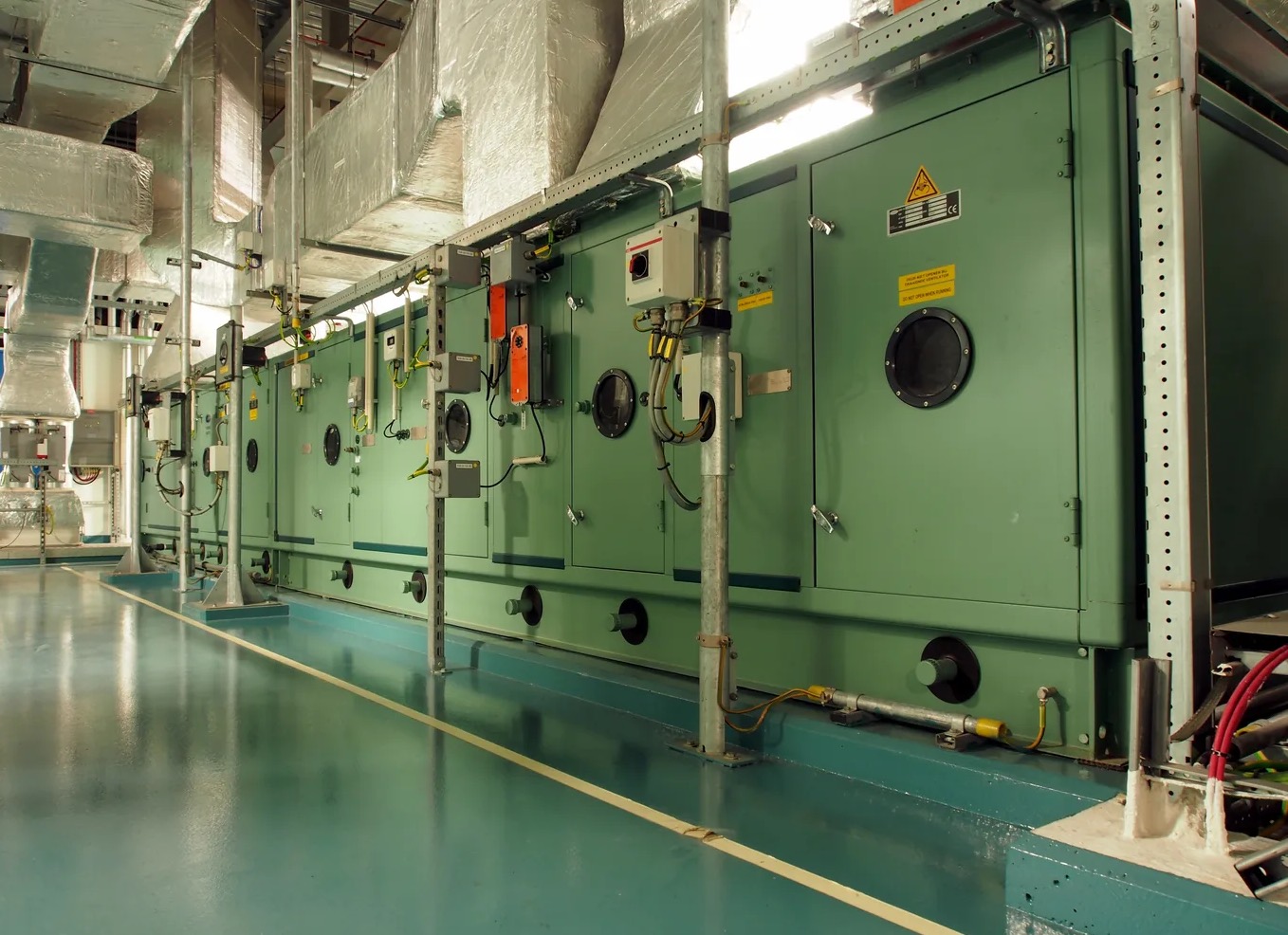
Trusted HVAC Fire Damage Cleanup in Weatherford, Texas
In Weatherford, fire damaged HVAC duct cleaning is crucial. It prevents corrosive soot from damaging system components over time. Neglect can lead to costly repairs and persistent air quality issues.
In Weatherford and nearby locales like Benbrook, Granbury and Crowley, odor removal after fire in HVAC is common. Odor particles bind to dust and ducts. Local HVAC fire damage cleanup pros use oxidation during duct sanitization to break them down.
The HVAC Fire Damage Cleanup Process in Weatherford
Smoke Odor Neutralization
Smoke odor neutralization tackles persistent smells in ductwork. Deodorizing agents like oxidizing foggers alter odor molecules. This breaks down the smoky smell at its source for fresh air.
Emergency HVAC System Shutdown
Shutting down the HVAC system prevents the disaster from multiplying. The blower fan can pull smoky air and distribute it. Securing the power contains contamination until cleaning occurs.
HVAC Filter Replacement
Every HVAC filter needs replacement post-fire. This includes the main return and any secondary filters. Soot-loaded filters restrict airflow and strain the system.
Air Quality Testing Post-Cleanup
Testing indoor air quality after HVAC cleaning delivers measurable results. Professionals use particle counters and air sampling pumps at supply vents. This confirms soot and pollutants are no longer emitted.
Air Duct Soot Removal
Soot accumulation in hidden ducts can undermine cleanup. The blower fan can redistribute it. A thorough cleaning addresses this contamination reservoir.
How to Know You Need HVAC Fire Damage Cleanup in Weatherford
Soot Buildup on Furnace or AC Coils
Visible soot accumulation on internal HVAC coils reduces efficiency and requires professional cleaning for fire damaged HVAC duct cleaning.
HVAC System Is Noisy or Struggling
Unusual sounds or strain from your HVAC unit may indicate soot buildup on critical components like the blower motor.
Ash or Debris Blowing From Vents
Finding particulate matter or ash being discharged from your vents confirms the HVAC system is contaminated and needs attention.
Increased Allergy or Respiratory Issues
New or worsening allergy symptoms among occupants can point to poor indoor air quality from post-fire HVAC contamination.
How HVAC Fire Damage Cleanup Works in Weatherford
Step 1: Emergency HVAC System Shutdown
The first critical action is to safely power down the heating and cooling system. This prevents the spread of soot and smoke residues throughout the entire property's ductwork after a fire event.
Step 2: Comprehensive Air Duct Soot Removal
Using specialized brushes and negative air machines, local HVAC fire damage cleanup pros agitate and extract soot deposits from all accessible duct surfaces. This targets the primary source of contamination and odor.
Step 3: Blower Motor and Coil Cleaning
Key mechanical components are carefully cleaned. Soot is removed from the blower assembly, fan blades, and evaporator coils to restore efficiency and prevent corrosion from acidic residues.
Step 4: Post-Cleanup Air Quality Verification
After cleaning, air quality testing post-cleanup may be performed. This helps verify the effectiveness of the HVAC fire damage cleanup process and ensures the air is safe to breathe.
Sources of Fire and Smoke Damage to HVAC Systems
Chemical Residues From Burning Materials
Modern furnishings and building materials release acidic, corrosive chemicals when burned, which coat and damage HVAC components.
Water and Chemical Residue From Firefighting
Water and fire retardant chemicals used to extinguish flames can mix with soot, creating a corrosive slurry inside air ducts.
House Fire or Kitchen Fire
A primary structure fire forces massive amounts of soot, smoke, and chemical residues directly into the home's HVAC intake and ductwork.
Improper Use of HVAC After Fire
Running the heating or cooling system before cleanup spreads soot and odor throughout the entire home, worsening the contamination.
HVAC Fire Damage Cleanup for Homes and Businesses in Weatherford
Residential HVAC Fire Damage Cleanup
The goal for any home is to eliminate health hazards after a fire. Smoke odor neutralization and cleaning soot from vents are critical steps. The pros use IICRC-standard methods for this work.
Commercial HVAC Fire Damage Cleanup
Restoring a business property involves addressing air quality concerns for liability and reopening. Comprehensive post fire HVAC cleaning and vent cleaning for smoke damage ensure the ventilation system no longer distributes harmful particulate.
Professional HVAC Fire Damage Cleanup or DIY Cleanup in Weatherford
Document visible damage to the HVAC unit, vents, and surrounding areas with photos for the insurance claim. Do not disassemble components or clean the blower motor. Leave HVAC decontamination after smoke to experts.
Factors Influencing HVAC Fire Damage Cleanup Cost in Weatherford
Factors influencing HVAC fire damage cleanup pricing include the accessibility of vents and registers, plus the need for air quality testing post-cleanup to verify particulate levels are safe.
Accessibility of Components
Easily accessed vents and a readily available air handler simplify the process of cleaning soot from vents and blower motors.
Odor Neutralization Complexity
Stubborn smoke smells that permeate insulation or building materials may require advanced odor removal after fire in HVAC techniques.
Required Decontamination Steps
Projects needing full post-fire duct sanitization and smoke odor neutralization involve additional specialized equipment and cleaning agents.
Does Insurance Cover HVAC Fire Damage Cleanup?
For odor removal after fire in HVAC, the insurer evaluates policy language on debris removal. Pros document the necessity of smoke odor neutralization. Reimbursement decisions are made by the insurer.
The Value of Local Pros for HVAC Fire Damage Cleanup
Odor Neutralization Expertise
Specialized techniques for smoke odor neutralization tackle lingering smells at the source within the ductwork and mechanical components.
Post-Cleanup Air Quality Verification
Air quality testing post-cleanup provides tangible data that the HVAC system restoration after fire has achieved a healthier environment.
IICRC-Standard Cleaning Protocols
Methods follow industry standards for soot removal from air ducts and HVAC decontamination after smoke, addressing particulate and residue properly.
24/7 Emergency HVAC Fire Damage Cleanup in Weatherford
For post-fire HVAC cleaning that begins with securing a system, immediate help is available. Call (254) 374-8793 to reach the experts for 24/7 emergency HVAC system shutdown and initial soot removal.
Call Now (254) 374-8793HVAC Fire Damage Cleanup Service Area Includes Weatherford
The places below are also served, and each one has its own page.
- HVAC Fire Damage Cleanup in Benbrook
- HVAC Fire Damage Cleanup in Granbury
- HVAC Fire Damage Cleanup in Crowley
- HVAC Fire Damage Cleanup in Burleson
- HVAC Fire Damage Cleanup in Cleburne
- HVAC Fire Damage Cleanup in Cedar Park
- HVAC Fire Damage Cleanup in Pflugerville
- HVAC Fire Damage Cleanup in College Station
Common HVAC Fire Damage Cleanup Questions Answered
Does vent cleaning for smoke damage replace filters?
Vent cleaning addresses the duct pathways, but HVAC filter replacement after fire is always required, as filters are clogged with soot and are a primary line of defense.
Why is soot removal from air ducts urgent after a fire?
Soot is acidic and corrosive, potentially damaging HVAC components and circulating harmful particulates. Prompt fire damaged HVAC duct cleaning prevents secondary damage and protects your indoor environment.
When are emergency HVAC cleaning services needed?
Immediate service is needed when soot is actively circulating or to perform an emergency HVAC system shutdown, which prevents further distribution of contaminants after a fire.
What is post-fire duct sanitization?
It is the application of EPA-registered antimicrobial agents inside the ductwork after cleaning to inhibit microbial growth that soot and moisture from firefighting can encourage.
What does air quality testing post-cleanup measure?
It measures airborne particulate levels to objectively confirm the effectiveness of the HVAC fire damage cleanup, ensuring the indoor environment meets health and safety benchmarks.