Cleburne, TX · Johnson County
HVAC Fire Damage Cleanup in Cleburne, TXHVAC Fire Damage Cleanup & HVAC Filter Replacement
HVAC filter replacement, post-fire duct sanitization, and smoke odor neutralization are elements of HVAC Fire Damage Cleanup in Cleburne.
Answered 24/7
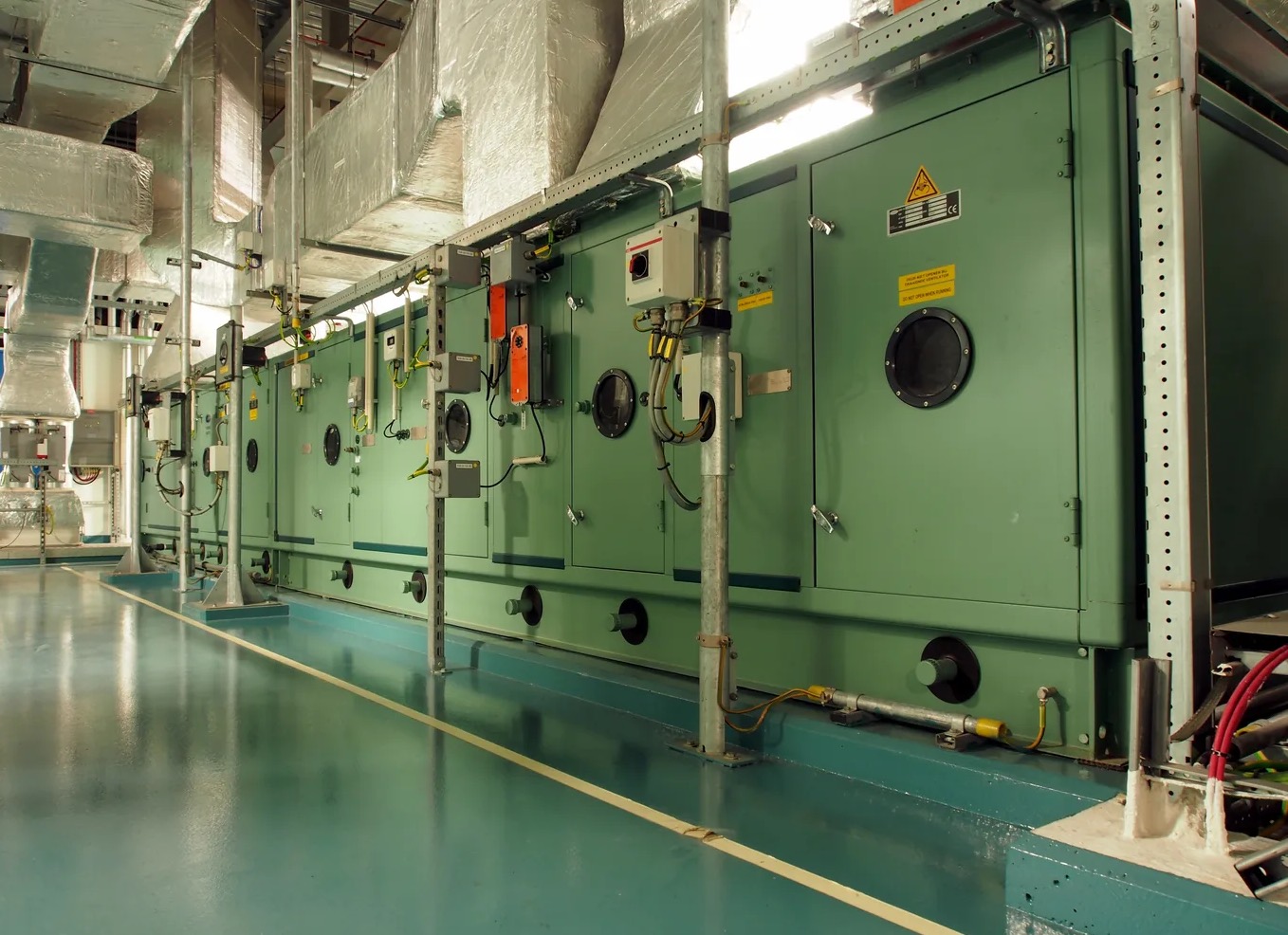
Trusted HVAC Fire Damage Cleanup in Cleburne, Texas
Post-fire duct sanitization ensures that microbial growth, which can thrive on soot residues, is eliminated from your HVAC system. This step prevents mold and bacteria from compromising indoor air.
In Cleburne and nearby locales like Burleson, Crowley and Mansfield, odor removal after fire in HVAC is common. Odor particles bind to dust and ducts. Local soot removal specialists use oxidation during duct sanitization to break them down.
Complete HVAC Fire Damage Cleanup Solutions in Cleburne
HVAC Fire Damage Cleanup
After a fire, an HVAC system can spread contaminants. Thorough HVAC fire damage cleanup addresses this specific risk. The process removes soot and residues from mechanical areas.
HVAC Filter Replacement
Fire smoke saturates filters with ash and residues. Cleaning is insufficient; they must be replaced. Fresh units protect equipment and improve air quality.
Emergency HVAC System Shutdown
An emergency HVAC shutdown aims for containment. Stopping airflow isolates damage to fire-affected areas. This proactive step limits the extent of required cleanup.
Air Quality Testing Post-Cleanup
Post-cleanup air testing is a quality assurance step. It compares air samples from ducts and living space to baseline standards. This ensures cleaning successfully removed fire-related contaminants for a healthy environment.
Smoke Odor Neutralization
Smoke odor neutralization tackles persistent smells in ductwork. Deodorizing agents like oxidizing foggers alter odor molecules. This breaks down the smoky smell at its source for fresh air.
How to Know You Need HVAC Fire Damage Cleanup in Cleburne
Musty Smell Mixed With Smoke
A combination of smoky and musty odors can indicate mold growth fueled by moisture used during firefighting efforts in ducts.
HVAC System Is Noisy or Struggling
Unusual sounds or strain from your HVAC unit may indicate soot buildup on critical components like the blower motor.
Visible Soot Around Air Vents
Black dust or smudges near your vents and registers are clear indicators of smoke damage circulating through your ducts.
Increased Allergy or Respiratory Issues
New or worsening allergy symptoms among occupants can point to poor indoor air quality from post-fire HVAC contamination.
How HVAC Fire Damage Cleanup Works in Cleburne
Step 1: Initial Assessment and Documentation
The specialists begin by assessing the extent of smoke infiltration into the HVAC system. They document the damage with photos and notes, which can be useful for a homeowner's insurance claim process.
Step 2: Vent and Register Deep Cleaning
All vents, registers, and grilles are removed and cleaned. This step of vent cleaning for smoke damage removes visible soot and prevents it from being re-introduced into the cleaned duct system.
Step 3: HVAC Decontamination After Smoke
The interior ductwork undergoes a detailed sanitization process. This post-fire duct sanitization step uses EPA-registered agents to address microbial growth and neutralize lingering odors at their source.
Step 4: Final System Reassembly and Filter Replacement
All components are reinstalled. A new, high-efficiency air filter is installed as part of the HVAC filter replacement after fire protocol to capture any remaining microscopic particles.
What Causes HVAC Smoke Damage in Homes
Water and Chemical Residue From Firefighting
Water and fire retardant chemicals used to extinguish flames can mix with soot, creating a corrosive slurry inside air ducts.
House Fire or Kitchen Fire
A primary structure fire forces massive amounts of soot, smoke, and chemical residues directly into the home's HVAC intake and ductwork.
Chemical Residues From Burning Materials
Modern furnishings and building materials release acidic, corrosive chemicals when burned, which coat and damage HVAC components.
Soot Backdraft During Firefighting
Firefighting activities can create pressure changes that force soot and smoke deep into wall cavities and the air duct system.
HVAC Fire Damage Cleanup for All Property Types in Cleburne
Residential HVAC Fire Damage Cleanup
The goal for any home is to eliminate health hazards after a fire. Smoke odor neutralization and cleaning soot from vents are critical steps. The specialists use IICRC-standard methods for this work.
Commercial HVAC Fire Damage Cleanup
Restoring a business property involves addressing air quality concerns for liability and reopening. Comprehensive post fire HVAC cleaning and vent cleaning for smoke damage ensure the ventilation system no longer distributes harmful particulate.
The Risks of DIY HVAC Fire Damage Cleanup in Cleburne
Document visible damage to the HVAC unit, vents, and surrounding areas with photos for the insurance claim. Do not disassemble components or clean the blower motor. Leave HVAC decontamination after smoke to experts.
What Affects HVAC Fire Damage Cleanup Cost in Cleburne
Factors influencing HVAC fire damage cleanup pricing include the accessibility of vents and registers, plus the need for air quality testing post-cleanup to verify particulate levels are safe.
Emergency Service Needs
If emergency HVAC system shutdown and professional service are required, it can influence the project's initial mobilization and assessment phase.
Required Decontamination Steps
Projects needing full post-fire duct sanitization and smoke odor neutralization involve additional specialized equipment and cleaning agents.
Accessibility of Components
Easily accessed vents and a readily available air handler simplify the process of cleaning soot from vents and blower motors.
Does Insurance Cover HVAC Fire Damage Cleanup?
Insurance may cover HVAC system restoration after a fire if the peril is included. Pros document air duct smoke damage cleanup for the claim. Final approval rests solely with the insurance company.
The Value of Local Soot Removal Specialists for HVAC Fire Damage Cleanup
Documentation for Homeowners
Detailed records of the damage and cleanup process are provided to assist you with any necessary insurance communication.
Duct Sanitization Process
Post-fire duct sanitization goes beyond cleaning to address microbial concerns that can arise after smoke and fire exposure.
Detailed System Assessment
Inspection covers all components, from vents to the blower motor, to plan an effective fire damaged HVAC duct cleaning strategy.
Around-the-Clock HVAC Fire Damage Cleanup in Cleburne
Emergency HVAC cleaning services can prevent costly secondary damage from acidic soot. To schedule an emergency response for air duct smoke damage cleanup in Cleburne, call (254) 374-8793 at any hour.
Call Now (254) 374-8793HVAC Fire Damage Cleanup Service Area Includes Cleburne
Other places served are listed below, each with its own page.
- HVAC Fire Damage Cleanup in Burleson
- HVAC Fire Damage Cleanup in Crowley
- HVAC Fire Damage Cleanup in Mansfield
- HVAC Fire Damage Cleanup in Benbrook
- HVAC Fire Damage Cleanup in Granbury
- HVAC Fire Damage Cleanup in Corsicana
- HVAC Fire Damage Cleanup in Copperas Cove
- HVAC Fire Damage Cleanup in Waxahachie
Frequently Asked Questions About HVAC Fire Damage Cleanup
How is odor removal after fire in HVAC achieved?
Specialized smoke odor neutralization techniques, such as sealing duct liners or using antimicrobial treatments and ozone, target odor molecules at their source within the HVAC system.
Is cleaning soot from vents a DIY job?
It is not recommended. Professional fire damage air quality testing and cleaning equipment are needed to fully remove hazardous fine particulates embedded in ducts that household vacuums cannot extract.
Is air duct soot removal a messy process?
Professionals use containment methods like negative air machines and seal access points to prevent soot from escaping into your living spaces during the cleaning.
Can HVAC fire damage cleanup prevent future issues?
Yes, thorough cleaning removes corrosive soot that can degrade metal components and eliminates odor sources, helping prevent premature system failure and persistent smells.
How long does HVAC filter replacement after fire take?
Replacing filters is a quick task, but it is part of the full inspection and cleaning process. All system filters should be replaced as a first step in restoration.