Cedar Park, TX · Williamson County
HVAC Fire Damage Cleanup in Cedar Park, TXAir Duct Soot Removal & Post-Fire Duct Sanitization
Air duct soot removal, HVAC filter replacement, and smoke odor neutralization are part of HVAC Fire Damage Cleanup in Cedar Park.
Answered 24/7
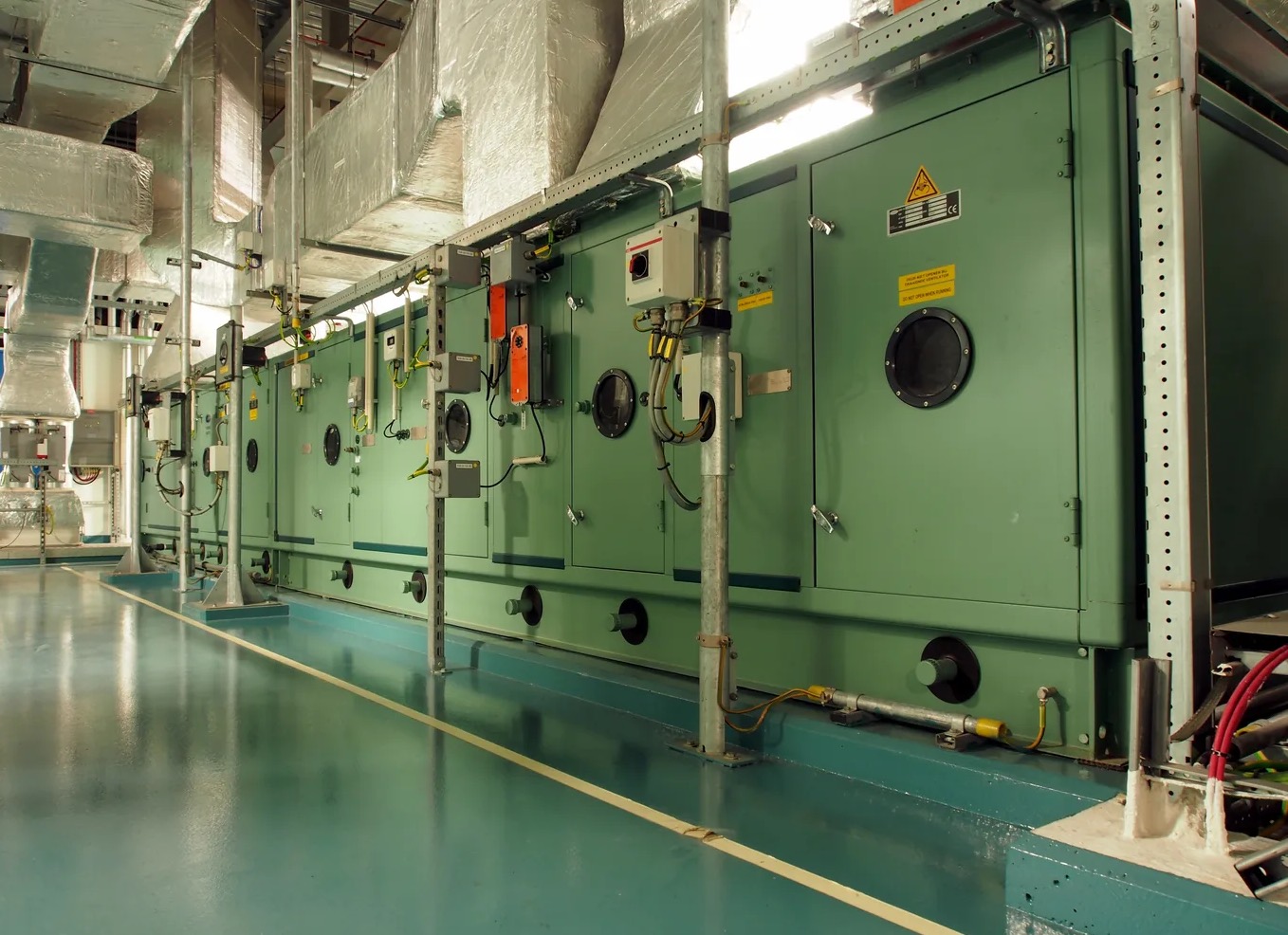
Expert HVAC Fire Damage Cleanup for Cedar Park Homes and Businesses
HVAC system restoration after a fire ensures heating and cooling equipment operates safely. Smoke particles can clog filters and coat internal parts, reducing performance and potentially causing malfunctions.
In Cedar Park and nearby locales like Leander, Round Rock and Georgetown, odor removal after fire in HVAC is common. Odor particles bind to dust and ducts. Local duct cleaning experts use oxidation during duct sanitization to break them down.
HVAC Fire Damage Cleanup Services in Cedar Park
Air Duct Soot Removal
Soot inside ducts is oily and sticks to surfaces. Aggressive mechanical cleaning removes visible residue. The goal is to stop the distribution of odors and harmful materials.
Post-Fire Duct Sanitization
Post-fire duct sanitization addresses microbial concerns. Smoke residue and moisture can let mold and bacteria thrive. EPA-registered antimicrobial agents inhibit growth on interior surfaces for a hygienic duct system.
HVAC Soot
Fire-damaged HVAC systems often contain hazardous soot and ash that must be cleared. The experts focus on detailed removal of these materials from interior components to prevent further damage and improve function.
Air Quality Testing Post-Cleanup
Testing indoor air quality after HVAC cleaning delivers measurable results. Professionals use particle counters and air sampling pumps at supply vents. This confirms soot and pollutants are no longer emitted.
HVAC Filter Replacement
Every HVAC filter needs replacement post-fire. This includes the main return and any secondary filters. Soot-loaded filters restrict airflow and strain the system.
Signs Your Cedar Park Home Needs HVAC Soot Removal
Increased Allergy or Respiratory Issues
New or worsening allergy symptoms among occupants can point to poor indoor air quality from post-fire HVAC contamination.
Ash or Debris Blowing From Vents
Finding particulate matter or ash being discharged from your vents confirms the HVAC system is contaminated and needs attention.
Reduced Airflow From HVAC Vents
Weak airflow can signal that fire debris is clogging your ductwork, blower motor, or air filters after an incident.
HVAC System Is Noisy or Struggling
Unusual sounds or strain from your HVAC unit may indicate soot buildup on critical components like the blower motor.
How HVAC Fire Damage Cleanup Works in Cedar Park
Step 1: Initial Assessment and Documentation
The experts begin by assessing the extent of smoke infiltration into the HVAC system. They document the damage with photos and notes, which can be useful for a homeowner's insurance claim process.
Step 2: Vent and Register Deep Cleaning
All vents, registers, and grilles are removed and cleaned. This step of vent cleaning for smoke damage removes visible soot and prevents it from being re-introduced into the cleaned duct system.
Step 3: HVAC Decontamination After Smoke
The interior ductwork undergoes a detailed sanitization process. This post-fire duct sanitization step uses EPA-registered agents to address microbial growth and neutralize lingering odors at their source.
Step 4: Final System Reassembly and Filter Replacement
All components are reinstalled. A new, high-efficiency air filter is installed as part of the HVAC filter replacement after fire protocol to capture any remaining microscopic particles.
Causes of Soot in Ducts for HVAC Fire Damage Cleanup
House Fire or Kitchen Fire
A primary structure fire forces massive amounts of soot, smoke, and chemical residues directly into the home's HVAC intake and ductwork.
Smoke Penetration Through HVAC Seams
Smoke particles are extremely fine and can infiltrate through small gaps and seams in ductwork, contaminating spaces between walls.
Neighboring Structure Fire Smoke Infiltration
Smoke from a nearby fire can be drawn into your home's ventilation system, contaminating ducts and components with external soot.
Chemical Residues From Burning Materials
Modern furnishings and building materials release acidic, corrosive chemicals when burned, which coat and damage HVAC components.
HVAC Fire Damage Cleanup for Homes and Businesses in Cedar Park
Residential HVAC Fire Damage Cleanup
Homeowners face lingering smoke odors and soot circulation after a fire. Specialized post-fire duct sanitization and vent cleaning target embedded residues. This process, handled by the experts, is key to making a home livable.
Commercial HVAC Fire Damage Cleanup
Commercial HVAC systems are larger and more complex, with extensive duct runs. Soot contamination impacts air quality across entire floors. The pros use industrial-scale equipment for blower motor and coil cleaning.
Professional HVAC Fire Damage Cleanup or DIY Cleanup in Cedar Park
Opening windows for ventilation can help dissipate some initial smoke odor. This does not address the source inside the ductwork. Persistent odor removal after fire needs specialized neutralization techniques from pros.
HVAC Fire Damage Cleanup Cost in Cedar Park, TX
The pros assess the severity of fire damaged HVAC duct cleaning needed, which directly affects labor hours and material usage for decontamination.
Odor Neutralization Complexity
Stubborn smoke smells that permeate insulation or building materials may require advanced odor removal after fire in HVAC techniques.
Emergency Service Needs
If emergency HVAC system shutdown and professional service are required, it can influence the project's initial mobilization and assessment phase.
Required Decontamination Steps
Projects needing full post-fire duct sanitization and smoke odor neutralization involve additional specialized equipment and cleaning agents.
Does Insurance Cover HVAC Fire Damage Cleanup?
Insurance coverage for HVAC fire damage cleanup is set by the homeowner's policy. The pros document soot removal from air ducts. Homeowners should confirm coverage directly with their insurer.
Selecting Duct Cleaning Experts for HVAC Fire Damage Cleanup in Cedar Park
Documentation for Homeowners
Detailed records of the damage and cleanup process are provided to assist you with any necessary insurance communication.
IICRC-Standard Cleaning Protocols
Methods follow industry standards for soot removal from air ducts and HVAC decontamination after smoke, addressing particulate and residue properly.
Post-Cleanup Air Quality Verification
Air quality testing post-cleanup provides tangible data that the HVAC system restoration after fire has achieved a healthier environment.
24/7 Emergency HVAC Fire Damage Cleanup in Cedar Park
Smoke and soot in ducts need a professional response to protect a home's air. Contact fire damage air quality testing and cleanup pros at (254) 374-8793 for emergency service around the clock in Cedar Park.
Call Now (254) 374-8793HVAC Fire Damage Cleanup Service Area Includes Cedar Park
Each place listed below has its own page with local details.
- HVAC Fire Damage Cleanup in Leander
- HVAC Fire Damage Cleanup in Round Rock
- HVAC Fire Damage Cleanup in Georgetown
- HVAC Fire Damage Cleanup in Pflugerville
- HVAC Fire Damage Cleanup in Hutto
- HVAC Fire Damage Cleanup in Benbrook
- HVAC Fire Damage Cleanup in College Station
- HVAC Fire Damage Cleanup in Stephenville
HVAC Fire Damage Cleanup FAQs
Is air duct soot removal a messy process?
Professionals use containment methods like negative air machines and seal access points to prevent soot from escaping into your living spaces during the cleaning.
What happens during emergency HVAC system shutdown?
A professional will safely power down the system at the thermostat and circuit breaker to immediately stop the circulation of soot-laden air throughout your home.
Does vent cleaning for smoke damage replace filters?
Vent cleaning addresses the duct pathways, but HVAC filter replacement after fire is always required, as filters are clogged with soot and are a primary line of defense.
How long does HVAC filter replacement after fire take?
Replacing filters is a quick task, but it is part of the full inspection and cleaning process. All system filters should be replaced as a first step in restoration.
Is cleaning soot from vents a DIY job?
It is not recommended. Professional fire damage air quality testing and cleaning equipment are needed to fully remove hazardous fine particulates embedded in ducts that household vacuums cannot extract.