Georgetown, TX · Williamson County
HVAC Fire Damage Cleanup in Georgetown, TXAir Quality Testing Post-Cleanup & HVAC Soot
Air duct soot removal, HVAC filter replacement, and smoke odor neutralization are part of HVAC Fire Damage Cleanup in Georgetown.
Answered 24/7
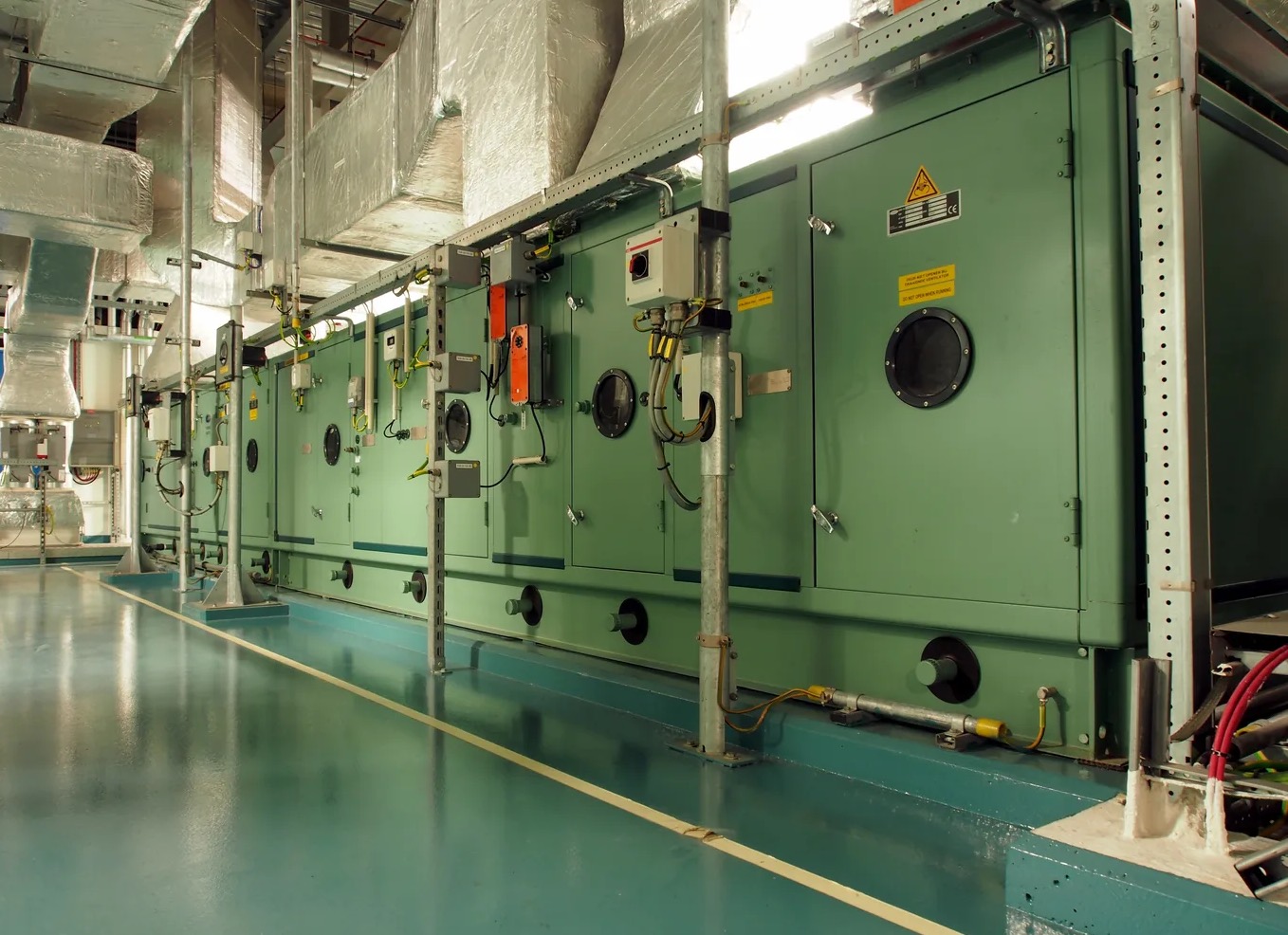
Professional HVAC Fire Damage Cleanup in Georgetown, TX
HVAC fire damage cleanup is essential because soot and smoke residues can quickly spread through ducts, contaminating your entire home's air. This compromises safety and causes lingering odors.
In Georgetown and nearby locales like Round Rock, Hutto and Leander, odor removal after fire in HVAC is common. Odor particles bind to dust and ducts. Local duct cleaning experts use oxidation during duct sanitization to break them down.
The HVAC Fire Damage Cleanup Process in Georgetown
Air Quality Testing Post-Cleanup
Testing indoor air quality after HVAC cleaning delivers measurable results. Professionals use particle counters and air sampling pumps at supply vents. This confirms soot and pollutants are no longer emitted.
HVAC Soot
Following a fire, soot and debris can coat HVAC components, reducing efficiency. The experts in Georgetown carefully remove these particulates from the unit, blowers, and ductwork to restore proper airflow.
HVAC Fire Damage Cleanup
An HVAC system impacted by fire needs immediate attention to stop secondary damage. The experts handle HVAC fire damage cleanup with procedures for these complex systems, dislodging and extracting particulate matter from sensitive equipment.
Post-Fire Duct Sanitization
The goal of post-fire duct sanitization is a better-than-pre-fire hygienic state. It targets microscopic organisms feeding on smoke residues. This service makes ducts clean and resistant to biological growth.
HVAC Filter Replacement
Fire smoke saturates filters with ash and residues. Cleaning is insufficient; they must be replaced. Fresh units protect equipment and improve air quality.
Warning Signs You Need HVAC Fire Damage Cleanup
Increased Allergy or Respiratory Issues
New or worsening allergy symptoms among occupants can point to poor indoor air quality from post-fire HVAC contamination.
Uneven Heating or Cooling Post-Fire
Temperature inconsistencies in different rooms can be caused by blocked vents or registers from fire damage air quality issues.
Visible Soot Around Air Vents
Black dust or smudges near your vents and registers are clear indicators of smoke damage circulating through your ducts.
Activation of Smoke Alarms From HVAC
Smoke detectors triggering when the HVAC system turns on is a severe sign of active particulate circulation needing emergency cleaning.
How HVAC Fire Damage Cleanup Works in Georgetown
Step 1: Emergency HVAC System Shutdown
The first critical action is to safely power down the heating and cooling system. This prevents the spread of soot and smoke residues throughout the entire property's ductwork after a fire event.
Step 2: Comprehensive Air Duct Soot Removal
Using specialized brushes and negative air machines, the experts agitate and extract soot deposits from all accessible duct surfaces. This targets the primary source of contamination and odor.
Step 3: Blower Motor and Coil Cleaning
Key mechanical components are carefully cleaned. Soot is removed from the blower assembly, fan blades, and evaporator coils to restore efficiency and prevent corrosion from acidic residues.
Step 4: Post-Cleanup Air Quality Verification
After cleaning, air quality testing post-cleanup may be performed. This helps verify the effectiveness of the HVAC fire damage cleanup process and ensures the air is safe to breathe.
Sources of Fire and Smoke Damage to HVAC Systems
Water and Chemical Residue From Firefighting
Water and fire retardant chemicals used to extinguish flames can mix with soot, creating a corrosive slurry inside air ducts.
Smoke Penetration Through HVAC Seams
Smoke particles are extremely fine and can infiltrate through small gaps and seams in ductwork, contaminating spaces between walls.
Chemical Residues From Burning Materials
Modern furnishings and building materials release acidic, corrosive chemicals when burned, which coat and damage HVAC components.
Thermal Expansion During the Fire
Intense heat can cause metal ductwork to expand and contract, potentially opening seams that allow soot to enter enclosed spaces.
HVAC Fire Damage Cleanup for Homes and Businesses in Georgetown
Residential HVAC Fire Damage Cleanup
Residential HVAC filter replacement after a fire is just the first step. Soot adheres to duct walls and the blower. The specialists clean these components to prevent odor and corrosion.
Commercial HVAC Fire Damage Cleanup
In commercial settings, fire residues can compromise sensitive equipment and inventory. A complete HVAC decontamination after smoke protocol, including air quality testing, is essential for health standards compliance.
Professional HVAC Fire Damage Cleanup or DIY Cleanup in Georgetown
After a fire, turn off the HVAC system at the thermostat and circuit breaker to prevent soot circulation. This is a critical first step. For a complete emergency HVAC system shutdown, call the experts.
What Affects HVAC Fire Damage Cleanup Cost in Georgetown
Post-fire duct sanitization and smoke odor neutralization procedures add to the overall project cost, as these are detailed processes beyond basic soot removal from air ducts.
Odor Neutralization Complexity
Stubborn smoke smells that permeate insulation or building materials may require advanced odor removal after fire in HVAC techniques.
Filter and Part Replacement
The number of HVAC filters needing replacement and any components damaged by heat or soot impact material costs.
Emergency Service Needs
If emergency HVAC system shutdown and professional service are required, it can influence the project's initial mobilization and assessment phase.
Does Insurance Cover HVAC Fire Damage Cleanup?
Coverage for HVAC fire damage cleanup depends on a policy's terms. Local pros document damage with photos and moisture readings for the claim. The homeowner submits this to their adjuster.
Advantages of Hiring Duct Cleaning Experts in Georgetown
Documentation for Homeowners
Detailed records of the damage and cleanup process are provided to assist you with any necessary insurance communication.
Thorough Vent and Register Cleaning
Focus on cleaning soot from vents ensures airflow pathways are clear and contaminants are removed from accessible surfaces.
Detailed System Assessment
Inspection covers all components, from vents to the blower motor, to plan an effective fire damaged HVAC duct cleaning strategy.
Around-the-Clock HVAC Fire Damage Cleanup in Georgetown
If you suspect smoke has entered your ductwork, fast action limits contamination. Contact the pros at (254) 374-8793 for emergency system shutdown and assessment. Assistance is available around the clock.
Call Now (254) 374-8793Local HVAC Fire Damage Cleanup Coverage for Georgetown
Each place listed below has its own page with local details.
- HVAC Fire Damage Cleanup in Round Rock
- HVAC Fire Damage Cleanup in Hutto
- HVAC Fire Damage Cleanup in Leander
- HVAC Fire Damage Cleanup in Cedar Park
- HVAC Fire Damage Cleanup in Pflugerville
- HVAC Fire Damage Cleanup in Lampasas
- HVAC Fire Damage Cleanup in Mansfield
- HVAC Fire Damage Cleanup in Burleson
FAQ for HVAC Fire Damage Cleanup in Georgetown
How is odor removal after fire in HVAC achieved?
Specialized smoke odor neutralization techniques, such as sealing duct liners or using antimicrobial treatments and ozone, target odor molecules at their source within the HVAC system.
Why is blower motor and coil cleaning necessary?
Soot can insulate and foul these critical components, reducing efficiency and potentially causing mechanical failure. Cleaning restores proper airflow and heat transfer.
How long does HVAC filter replacement after fire take?
Replacing filters is a quick task, but it is part of the full inspection and cleaning process. All system filters should be replaced as a first step in restoration.
Is air duct soot removal a messy process?
Professionals use containment methods like negative air machines and seal access points to prevent soot from escaping into your living spaces during the cleaning.
Is cleaning soot from vents a DIY job?
It is not recommended. Professional fire damage air quality testing and cleaning equipment are needed to fully remove hazardous fine particulates embedded in ducts that household vacuums cannot extract.