Taylor, TX · Williamson County
Mold Remediation Services in Taylor, TXBathroom Mold Cleanup & Crawl Space Mold Abatement
Mold Remediation Services in Taylor covers crawl space mold abatement, attic mold removal and bathroom mold cleanup.
Answered 24/7
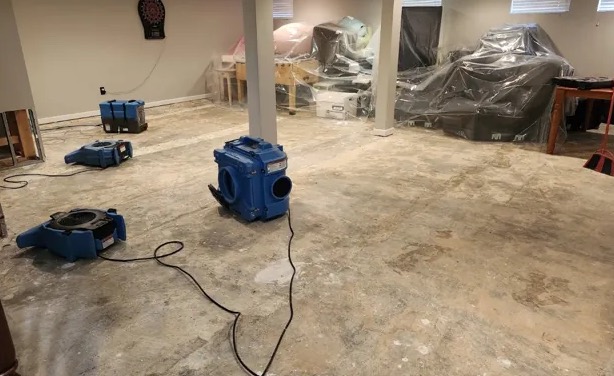
Mold Remediation Services and Mold Inspection in Taylor
Mold needs moisture to grow, so every mold problem in Taylor starts with water: a slow leak, a past flood or damp air that never dries out. Removing the mold without fixing that moisture means it comes back.
Property owners in Taylor and nearby Hutto, Pflugerville and Georgetown can call (254) 374-8793 for mold remediation services. The pros start with an inspection and moisture readings before any removal.
Mold Remediation Services in Taylor
Bathroom Mold Cleanup
Bathroom mold on grout and caulk can be cleaned, but mold behind tile or vanities usually means a leak. The pros find it, remove damaged material and dry the wall.
Crawl Space Mold Abatement
Crawl space mold is removed by cleaning the framing and removing wet or moldy insulation and vapor barrier. Keeping the space dry stops it from coming back.
Attic Mold Removal
Mold on roof sheathing and rafters usually comes from a roof leak or poor attic ventilation. The pros clean or treat the wood and point out the moisture problem that caused it.
Post-Flood Mold Remediation
After a flood, mold usually appears on lower walls, baseboards and the back of cabinets. Affected materials are removed and the area is cleaned and dried.
Black Mold Remediation
Black mold usually means a long-running leak. The pros find the water source, cut out moldy drywall or trim and clean the wood behind it before drying.
How to Spot a Mold Problem in Taylor
Warped Floors or Swollen Trim
Wood floors that cup and trim that swells have absorbed moisture. Mold can grow underneath before anything is visible.
Damp Basement or Crawl Space
A lower level that always feels damp or smells musty is a common place for mold on walls, joists and stored items.
Musty Smell That Will Not Go Away
A damp, earthy smell often means mold is growing somewhere out of sight, such as inside a wall, under flooring or in ductwork.
Condensation on Windows
Heavy condensation that runs down windows and wets the sills can lead to mold on frames, sills and nearby walls.
How Mold Remediation Services Work in Taylor
Step 1: Attic and Crawl Space Inspection
The pros check sheathing, joists and insulation for mold and look for roof leaks, vents or plumbing problems.
Step 2: Removing Moldy Insulation
Wet or moldy insulation and vapor barrier are bagged and removed so the framing can be reached.
Step 3: Cleaning the Framing
Mold on rafters, joists and sheathing is cleaned off with brushes and HEPA vacuums.
Step 4: Fixing Moisture Conditions
The pros explain what caused the moisture, such as a roof leak or poor airflow, and what needs repair.
Sources of Moisture Behind Mold
Window and Door Leaks
Failed seals around windows and doors let rain into the wall cavity, where mold grows on framing and the back of the drywall.
Roof Leaks
Rain getting through damaged shingles or flashing wets attic insulation and sheathing, and mold often follows on the roof deck and framing.
Poor Bathroom Ventilation
Without a working exhaust fan, shower steam settles on ceilings and walls. Over time, mold grows on paint, grout and caulk.
Overflowing Gutters
Gutters that overflow dump water next to the foundation, where it can seep into crawl spaces and lower walls.
Residential and Commercial Mold Remediation Services in Taylor
Residential Mold Remediation Services
In older homes, mold is often found in crawl spaces, attics and behind bathroom tile. The pros remove it and point out the moisture problem.
Commercial Mold Remediation Services
Warehouses and retail spaces with roof leaks often have mold on ceiling tiles and drywall. Affected materials are removed and replaced after drying.
DIY Mold Removal Risks in Taylor
Painting over mold hides it but does not stop it. If mold is under paint or wallpaper, it needs to be removed along with the material it grew on.
What Affects Mold Remediation Services Cost in Taylor
The cost of mold remediation services in Taylor depends on how large the moldy area is, where it is and how much material has to be removed.
Rebuilding After Removal
Replacing drywall, insulation and flooring after mold removal is often priced separately from the remediation itself.
Size of the Moldy Area
A small patch in one room takes far less time, containment and disposal than mold spread across several rooms or a whole attic.
Location of the Mold
Mold in attics, crawl spaces and inside walls is harder to reach and usually needs more labor than mold on an open wall.
Does Insurance Cover Mold Remediation Services?
Coverage depends on your policy and the cause of the moisture. The pros can provide records of the work, but only your insurer can confirm what is covered.
Why Choose Local Pros for Mold Remediation Services in Taylor
Available Any Time
Mold after a leak or flood can be reported at any hour. Local mold remediation pros can be reached day or night at (254) 374-8793.
Industry Remediation Standards
Removal follows industry standards for mold remediation: contain, remove damaged materials, clean, dry and check.
Moisture Meters and Thermal Cameras
These tools show wet areas inside walls and under floors, which is where hidden mold usually grows.
24/7 Mold Cleanup After Water Damage in Taylor
Mold after a leak or flood in Taylor? Stop the water if you can, keep the area closed off and call (254) 374-8793. Help is available 24/7.
Call Now (254) 374-8793Mold Remediation Services Throughout Taylor
Each place listed below has its own page with local details.
- Mold Remediation Services in Hutto
- Mold Remediation Services in Pflugerville
- Mold Remediation Services in Georgetown
- Mold Remediation Services in Round Rock
- Mold Remediation Services in Cedar Park
- Mold Remediation Services in Burleson
- Mold Remediation Services in Lampasas
- Mold Remediation Services in Mansfield
Mold Remediation Services Questions and Answers
What causes a musty smell in the house?
Usually mold or damp materials somewhere out of sight, such as inside walls, under carpet, in the crawl space or in ducts.
Does homeowners insurance cover mold removal?
Sometimes, when mold comes from a sudden covered water event. Mold from long-term leaks or humidity is often excluded. Check your policy.
Why does my basement smell musty?
A musty basement usually has damp walls, high humidity or seepage, and mold may be growing on walls, framing or stored items.
How do I know if I have mold?
Visible spots, a musty smell, past water damage and stains on walls or ceilings are the most common signs. An inspection can confirm it.
Can mold grow in air ducts?
Yes, especially near the air handler where condensation collects. A musty smell when the air turns on is a common sign.