Cleburne, TX · Johnson County
Hidden Mold Detection in Cleburne, TXPost-Remediation Mold Verification & Moisture Mapping For Mold
Hidden Mold Detection in Cleburne includes moisture mapping for mold, wall cavity mold detection, and HVAC mold detection.
Answered 24/7
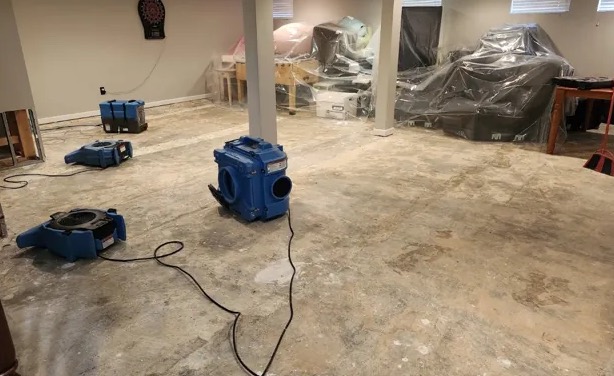
Expert Hidden Mold Detection for Cleburne Homes
Hidden mold detection in Cleburne prevents long-term damage from undetected spores. Local mold detection experts specialize in home mold inspection techniques that reveal mold behind walls.
For properties in Cleburne, hidden mold detection addresses humidity that can foster mold. Local mold detection experts use professional detection equipment and serve areas like Burleson, Crowley and Mansfield.
Hidden Mold Detection Offerings in Cleburne, TX
Post-Remediation Mold Verification
The experts perform verification after remediation. They conduct visual checks and follow-up air sampling. This compares spore levels to pre-cleaning conditions. It documents that contamination is back to normal levels.
Moisture Mapping for Mold
Finding hidden moisture prevents mold. Moisture mapping involves taking many readings to define water migration boundaries. In Cleburne, this data shows where damp pockets exist behind surfaces.
Surface Mold Sampling
Tape-lift or swab sampling directly tests suspicious stains. A careful collection prevents cross-contamination. For properties in Cleburne, this confirms the biological growth.
Crawl Space Mold Inspection
The experts check for plumbing leaks and condensation. They sample air or surfaces if signs are unclear. This is crucial for Cleburne, as mold causes odors and damage.
Mold Odor Investigation
The experts investigate musty odors to find hidden mold. They check behind baseboards and under flooring with detection gear. This finds damp spots and active colonies in Cleburne.
Common Symptoms That Call for Hidden Mold Detection
Mold Recurrence After Cleaning
If mold returns quickly after you wipe it away, the root cause is elsewhere. Professional mold detection finds the hidden reservoir fueling the regrowth.
Discolored Patches on Ceilings
Yellow or brown stains on ceilings can indicate a slow leak above. This moisture can foster mold growth in attic spaces or ceiling materials.
Health Relief When Leaving Home
If respiratory issues improve when you are away, indoor air quality may be poor. Hidden mold test procedures can identify the contaminant.
Recent Water Damage History
Past leaks or flooding create perfect conditions for hidden mold. Mold detection services are crucial even after the visible water is gone.
How Hidden Mold Detection Works in Cleburne
Step 1: Client Concern and Objective Setting
The process is tailored to your specific goals, whether it's a general home mold inspection, a real estate transaction, or investigating health concerns. Objectives guide the entire inspection scope.
Step 2: Systematic Moisture Mapping for Mold
A core service is moisture mapping for mold, which involves scanning all walls, ceilings, and floors with electronic sensors. This creates a detailed map of moisture anomalies that require further investigation.
Step 3: Controlled Sample Gathering Protocol
Following IICRC-standard methods, pros collect air and surface samples under controlled conditions to avoid cross-contamination. This ensures the mold detection services yield reliable, actionable data.
Step 4: Clear Documentation for Your Records
Every finding is meticulously documented with photos, moisture readings, and sample locations. This thorough record is provided to you and can be useful for insurance inquiries or future reference.
What Leads to Hidden Mold Problems in Cleburne
Landscaping and Grading Issues
Soil sloping toward the house directs rainwater against the foundation. This persistent moisture can wick into siding and wall materials, creating hidden problems.
Condensation in HVAC Ductwork
Cool air moving through ducts in a humid space can cause condensation inside. This damp environment is ideal for mold growth, spreading spores throughout the home.
Poor Bathroom Ventilation
Showers produce steam that condenses on cold surfaces if not vented properly. This routine moisture leads to mold in ceilings, behind tiles, and under floors.
Inadequate Crawl Space Ventilation
A sealed or poorly ventilated crawl space traps ground moisture and humidity. This stagnant, damp air condenses on joists and insulation, feeding mold growth.
Residential and Commercial Hidden Mold Detection in Cleburne
Residential Hidden Mold Detection
A home mold inspection by the experts goes beyond a visual check. It involves mold spore testing from air and hidden surfaces. This is essential after water incidents in Cleburne.
Commercial Hidden Mold Detection
Business owners require specialized mold detection to comply with health standards. Services like post-remediation verification and HVAC detection ensure remediation success and that systems are not circulating contaminants, safeguarding people.
When to Attempt DIY and When to Choose Hidden Mold Detection
Check accessible spots for water stains, peeling paint, or visible mold. Inspect under sinks and near windows. Clean small surface patches with detergent. Persistent musty smells call for local mold detection experts.
What Affects Hidden Mold Detection Pricing in Cleburne
The price of professional mold detection in Cleburne is affected by the need for advanced techniques. The scope of required post-remediation verification also plays a key role.
Report Detail and Analysis
A more detailed report with lab analysis from mold spore testing requires additional professional time and resources from the experts.
Inspection Area Accessibility
Hard-to-reach spaces like tight crawl spaces or sealed wall cavities demand specialized tools and extra effort from the experts.
Moisture Mapping Extent
Comprehensive moisture mapping for mold to identify hidden water sources behind walls or under floors increases the service scope and price.
Does Insurance Cover Hidden Mold Detection?
Insurance for HVAC or crawl space mold detection in Cleburne requires a covered event. The experts supply detailed findings for insurer review. The insurer decides coverage.
Selecting Local Experts for Your Hidden Mold Detection Needs in Cleburne
Crawl Space and Wall Cavity Focus
Attention is given to these often-overlooked areas where mold thrives unseen, using non-invasive wall cavity mold detection techniques.
Clear Documentation for Claims
Detailed reports with photographic evidence and moisture readings are prepared to support your communication with your insurance provider.
Comprehensive Moisture Mapping
This technique pinpoints hidden moisture sources that could lead to mold, informing a more targeted and effective detection strategy.
24/7 Hidden Mold Detection for Urgent Situations in Cleburne
Don't wait with potential mold behind walls. For professional mold detection in Cleburne at any hour, call the experts directly at (254) 374-8793 for a home mold inspection.
Call Now (254) 374-8793Local Hidden Mold Detection Coverage for Cleburne and Beyond
Each place listed below has its own page with local details.
Your Hidden Mold Detection Questions Addressed
How soon after water damage should I schedule mold detection?
It's advisable to schedule an inspection promptly, as mold can begin growing within 24-48 hours in the right conditions of moisture and organic material.
What is the purpose of surface mold sampling during an inspection?
Surface sampling collects particles from visible suspicious areas to have them analyzed, helping to confirm if a discoloration is actually mold and identifying the type.
How does moisture mapping help in finding hidden mold?
Moisture mapping for mold uses sensors to create a detailed picture of dampness behind surfaces, pinpointing exactly where conditions are right for mold to grow unseen.
What is included in the final report after mold inspection and testing?
The report summarizes findings, includes documentation like photos and moisture readings, details lab results from samples, and outlines observations from the experts.
How thorough is a crawl space mold inspection?
It involves checking for visible growth, measuring humidity levels, and inspecting insulation and wood for decay, as crawl spaces are common sites for hidden mold problems.