Leander, TX · Williamson County
Floor Mold Removal in Leander, TXLaminate Flooring Mold Treatment & Hardwood Floor Mold Removal
Floor Mold Removal services in Leander cover hardwood floor mold removal, carpet mold remediation, and tile and grout mold cleanup.
Answered 24/7
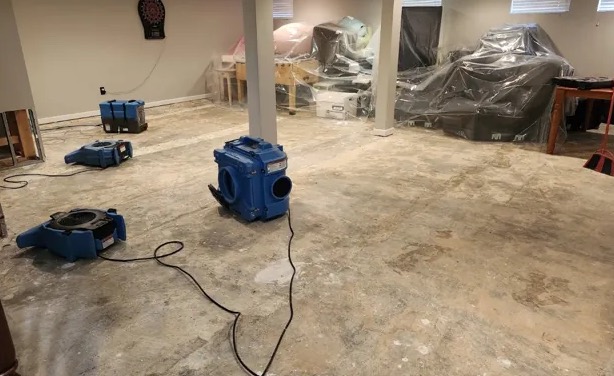
Your Local Solution for Floor Mold Removal
Floor mold removal in Leander addresses health risks from black mold on floor areas, which can trigger allergies and respiratory concerns. Timely moldy floor cleanup helps avoid costly flooring replacement after mold damage occurs.
In Leander and nearby places like Cedar Park, Round Rock and Georgetown, moldy floor cleanup prevents allergens from black mold on floor from affecting indoor air. Local floor mold removal experts use advanced techniques for flooring replacement after mold and mold inspection floor services. Their 24/7 operation caters to urgent situations.
Floor Mold Removal Scope of Work in Leander
Laminate Flooring Mold Treatment
Laminate floor mold treatment often means removing affected planks to treat the subfloor underneath, as moisture gets trapped beneath the waterproof surface.
Hardwood Floor Mold Removal
For hardwood, floor mold removal experts use gentle, targeted methods to lift mold stains and treat the wood without compromising its finish or structural integrity.
Concrete Slab Mold Mitigation
The pros use desiccant systems to dry the concrete thoroughly before any sealing or floor covering is reinstalled above it.
Moldy Subfloor Removal
This process in Leander involves cutting out and bagging contaminated subfloor sections to prevent spore release during removal from your home.
Floor Mold Inspection
The pros in Leander perform thorough inspections using moisture mapping and air sampling to pinpoint hidden mold sources under flooring.
Indicators for Floor Mold Removal in Leander
Paint Bubbling Near Floor
Paint or wallpaper bubbling on walls just above the floor line often indicates moisture wicking up, a precursor to mold.
History of Water Damage
Any past flooding, leaks, or spills increases the risk of hidden mold colonies developing within the floor structure over time.
Increased Allergy Symptoms Indoors
Unexplained allergy flare-ups, respiratory issues, or itchy eyes at home can be caused by airborne mold spores from a floor infestation.
Visible Mold on Baseboards
Mold growth creeping up baseboards or walls from the floor junction is a clear sign the flooring mold treatment area is expanding.
How Floor Mold Removal Works in Leander
Step 1: Initial Mold on Floor Evaluation
The experts perform a detailed assessment, using moisture meters and thermal imaging to find hidden wetness and define the scope of floor mold cleanup needed.
Step 2: Source Correction and Drying Prep
Any active water leak is stopped first. Then, furniture is moved, and the area is prepared for drying equipment to begin the mold damage restoration process.
Step 3: Contaminated Material Extraction
Porous materials with deep mold growth, such as carpet and underlayment, are extracted. Non-porous surfaces like tile are cleaned with EPA-registered antimicrobial agents.
Step 4: HEPA Vacuuming and Air Scrubbing
The entire contained area undergoes HEPA vacuuming of all surfaces. Air scrubbers run continuously to remove airborne mold spores, finalizing the flooring mold treatment.
Frequent Culprits for Floor Mold Removal Needs
Condensation From HVAC Systems
Improperly installed or insulated AC ductwork in floors or crawlspaces can cause condensation drip, directly wetting floor structures and insulation.
Flooding and Spill Incidents
Overflows from appliances, bathtubs, or external floodwater can soak into flooring materials, leading to rapid mold colonization if not dried quickly.
High Indoor Humidity Levels
Consistently high relative humidity, often from poor ventilation or AC issues, allows condensation to form on cooler floor surfaces, feeding mold.
Poor Subfloor Ventilation
Inadequate airflow in crawlspaces or under raised floors traps moisture vapor, promoting mold growth on the underside of flooring and joists.
Floor Mold Removal for Homes and Businesses
Residential Floor Mold Removal
Moldy floor cleanup in your home prevents property damage and allergen exposure. The experts in Leander handle mold under laminate in kitchens, on bathroom tile grout, and in basement concrete slabs to ensure your home's floors are clean and stable.
Commercial Floor Mold Removal
For businesses, flooring mold treatment addresses liability and operational continuity. The experts perform emergency floor mold containment in warehouses, remediate mold in office HVAC drip pans under floors, and ensure facilities meet health standards post-remediation.
Professional Floor Mold Removal Over DIY Attempts
Improve ventilation with fans and a dehumidifier after a small spill. Dry visible surface water quickly. If a musty odor persists or mold under flooring is suspected, the experts should conduct an inspection.
Investment Considerations for Floor Mold Removal
Several variables determine floor mold remediation pricing for Leander properties. The square footage impacted, accessibility of the moldy floor, and chosen flooring mold treatment methods for materials like carpet or hardwood are primary cost drivers.
Drying and Dehumidification
Effective flooring mold treatment includes thorough drying to prevent recurrence, which impacts equipment rental time and operational costs.
Access and Obstacles
Furniture moving, limited workspace, and the need to protect unaffected areas can increase the time and labor for mold removal services.
Subfloor Condition
Moldy subfloor removal adds significant labor and material costs, especially if structural repairs or concrete slab mold mitigation are necessary after demolition.
Does Insurance Cover Floor Mold Removal?
Home insurance might cover floor mold removal needed to repair damage from a covered peril. Coverage for mold spores on floor remediation is not universal. Experts compile evidence, including reports. Confirm with the agent, as terms dictate the outcome.
Advantages of Professional Floor Mold Removal
Post-Remediation Verification
A clearance test can be performed after flooring mold treatment to confirm the air quality meets acceptable mold spore levels.
IICRC-Standard Remediation Methods
The pros follow industry-standard protocols for containment, removal, and cleaning to address mold spores on floor effectively and safely.
Documentation for Insurance
Detailed reports and photos of the mold damage restoration process are provided to support any potential insurance claim you file.
Urgent Floor Mold Removal When You Need It
Mold spores on floor can spread through your HVAC system, making early action critical. If you need emergency floor mold removal services in the Leander area, contact local pros at (254) 374-8793 for urgent help.
Call Now (254) 374-8793Local Floor Mold Removal Coverage Area
The places below are also served, and each one has its own page.
Your Floor Mold Removal Questions Addressed
What is emergency floor mold containment?
Emergency floor mold containment is an early action to isolate the affected area using plastic sheeting and negative air pressure, preventing mold spores from spreading to other parts of your home during remediation.
When is flooring replacement after mold necessary?
Flooring replacement after mold is necessary when the material is porous and deeply infiltrated, such as with carpet and pad, heavily molded hardwood, or laminate flooring where the core is compromised.
What happens during a mold inspection for floors?
A mold inspection floor assessment involves visual examination, moisture meter and thermal imaging scans to find hidden dampness, and sometimes air or surface sampling to identify mold spore types and levels.
How is tile and grout mold cleanup performed?
Tile and grout mold cleanup involves scrubbing with EPA-registered fungicides, steam cleaning, and often regrouting if the mold has deeply penetrated the porous grout material to ensure complete removal.
Why is concrete slab mold mitigation important?
Mold growth on or under a concrete slab can affect indoor air quality and lead to dry rot in adjoining wood framing. Mitigation involves addressing the moisture source and treating the concrete.