Valley Mills, TX · Bosque County
Attic Water Damage Restoration in Valley Mills, TXAttic Drying Services & Emergency Attic Water Extraction
Attic Water Damage Restoration in Valley Mills runs from roof leak water removal and attic leak water cleanup to attic drying services.
Answered 24/7
Expert Attic Water Damage Restoration Serving Valley Mills, TX
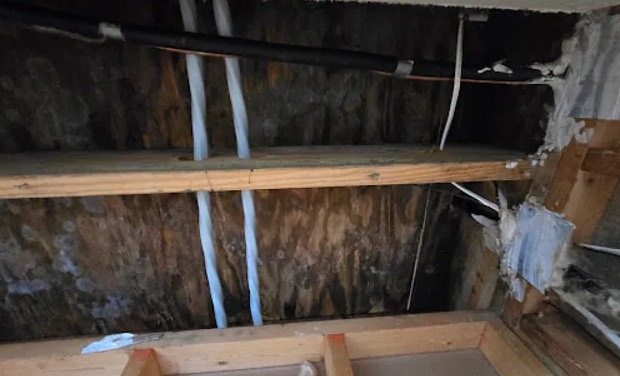
An attic leak that goes on for weeks in Valley Mills can rot roof decking, rust nails and stain rafters. Fixing the roof stops new water, but the wood already wet needs drying too.
Homeowners in Valley Mills can call (254) 374-8793 day or night when water is dripping from the ceiling. Service also covers Laguna Park, Gholson and McGregor, with the same attic inspection and drying process.
The Attic Water Damage Restoration Process in Valley Mills, TX
Attic Drying Services
Attic drying targets the wood framing and the ceiling below, with readings taken until both return to normal levels.
Emergency Attic Water Extraction
Water in the attic quickly becomes a ceiling problem. Fast extraction keeps the ceiling drywall below from sagging and falling.
Attic Mold Prevention
Drying wet wood quickly is the main way to limit microbial growth in an attic. Decking and rafters that stayed damp can be treated once dry.
Attic Moisture Inspection
Readings are recorded before and during drying, giving you and your insurer a clear record of the attic damage.
Attic Leak Water Cleanup
Water that collected on attic decking, joists and the top of the ceiling drywall is removed, and wet debris is cleared so the area can dry.
When to Call for Attic Water Damage Restoration in Valley Mills
Dripping Sounds From Ceiling
Dripping or tapping sounds above the ceiling, especially during rain, mean water is getting in.
Rust on Nails or Vents
Rusted nail tips, vent flanges or metal straps in the attic point to repeated moisture.
Wet or Sagging Insulation
Insulation that looks matted, dark or compressed, or sags between joists, has absorbed water.
Peeling Paint or Wallpaper
Paint that bubbles or peels on upstairs ceilings and walls often has water behind it.
How Attic Water Damage Restoration Works in Valley Mills
Step 1: Initial Assessment and Water Removal
The pros find the source, check safety in the attic and remove standing water and wet debris.
Step 2: Wet Attic Insulation Removal
Soaked batts or blown-in insulation are bagged and removed so the wood and drywall can dry.
Step 3: Targeted Attic Drying Process
Drying equipment is aimed at the wet framing and ceiling, and moved as areas reach normal readings.
Step 4: Sanitization and Mold Prevention
Once dry, decking and rafters that stayed wet can be cleaned and treated with an antimicrobial.
Typical Sources of Attic Moisture Issues
Failing Roof Valley or Flashing
Worn flashing around valleys, chimneys and skylights lets water run into the attic.
Storm Damage From Wind or Hail
Wind and hail can tear shingles or puncture the roof, letting rain in during the storm.
Overflow From Bathroom Exhaust Fans
Bathroom fans that vent into the attic, or have disconnected ducts, release moisture onto the decking.
Improperly Sealed Roof Penetrations
Gaps around vents, pipes and antennas that pass through the roof let water in when seals fail.
Attic Water Damage Restoration for All Property Types in Valley Mills
Residential Attic Water Damage Restoration
In two-story homes, an attic leak can affect both upstairs ceilings and the walls below them. Each wet area is checked with a meter and dried.
Commercial Attic Water Damage Restoration
Flat-roof commercial buildings often have leaks that travel before dripping. The pros trace the water path to find every wet section above the ceiling.
When Attic Water Removal Requires Local Pros
You can check the attic with a flashlight for wet insulation and dripping water if it is safe to do so. Removing soaked insulation and drying the framing takes equipment, protection and safe footing.
Cost Considerations for Attic Water Damage Restoration Work
Tight attic access, after-hours calls and ceiling drywall replacement all add to the total for attic water damage restoration in Valley Mills.
Required Drying Time
Dense wood framing can take several days to dry, adding equipment time.
Type of Water Involved
Clean rainwater is simpler to handle than water from a drain or a contaminated source.
Affected Attic Materials
Wet insulation, decking and ceiling drywall that must be removed add labor and disposal costs.
Does Insurance Cover Attic Water Damage Restoration?
Ceiling damage below an attic leak is usually handled as part of the same claim. Make sure the adjuster sees both the attic and the room below.
Advantages of Hiring Local Pros for Attic Water Damage Restoration
24/7 Emergency Response
Help is available day or night when rain or a burst pipe is pouring water into the attic.
Wet Insulation Handling
Wet insulation is bagged and removed carefully, keeping debris out of the living space.
Industry Drying Standards
Drying follows industry water damage standards, with readings taken at each visit.
24/7 Emergency Attic Water Damage Restoration in Valley Mills
Water dripping from your ceiling in Valley Mills? Put a bucket under it, move belongings and call (254) 374-8793. Help for attic leaks is available 24/7.
Call Now (254) 374-8793Local Attic Water Damage Restoration Coverage Area
The places below are also served, and each one has its own page.
- Attic Water Damage Restoration in Laguna Park
- Attic Water Damage Restoration in Gholson
- Attic Water Damage Restoration in McGregor
- Attic Water Damage Restoration in Woodway
- Attic Water Damage Restoration in Beverly Hills
- Attic Water Damage Restoration in Moody
- Attic Water Damage Restoration in Marlin
- Attic Water Damage Restoration in Bruceville-Eddy
Common Attic Water Damage Restoration Queries Answered
Is attic mold prevention always needed after water damage?
Fast drying is always needed. Antimicrobial treatment is added when wood stayed wet long enough to need it.
Can wet attic insulation be saved after a leak?
Lightly damp insulation sometimes dries, but soaked or matted insulation is usually removed and replaced after the attic is dry.
What is structural drying for an attic?
Drying the rafters, joists and roof decking with directed airflow and dehumidifiers until moisture readings return to normal.
What equipment is used for attic water removal?
Wet vacs, air movers, dehumidifiers, moisture meters and thermal cameras, plus bags and HEPA vacuums for insulation removal.
How is ceiling water damage from an attic leak repaired?
Sagging or soft drywall is removed, the cavity is dried, and new drywall is installed, taped and painted once readings are normal.